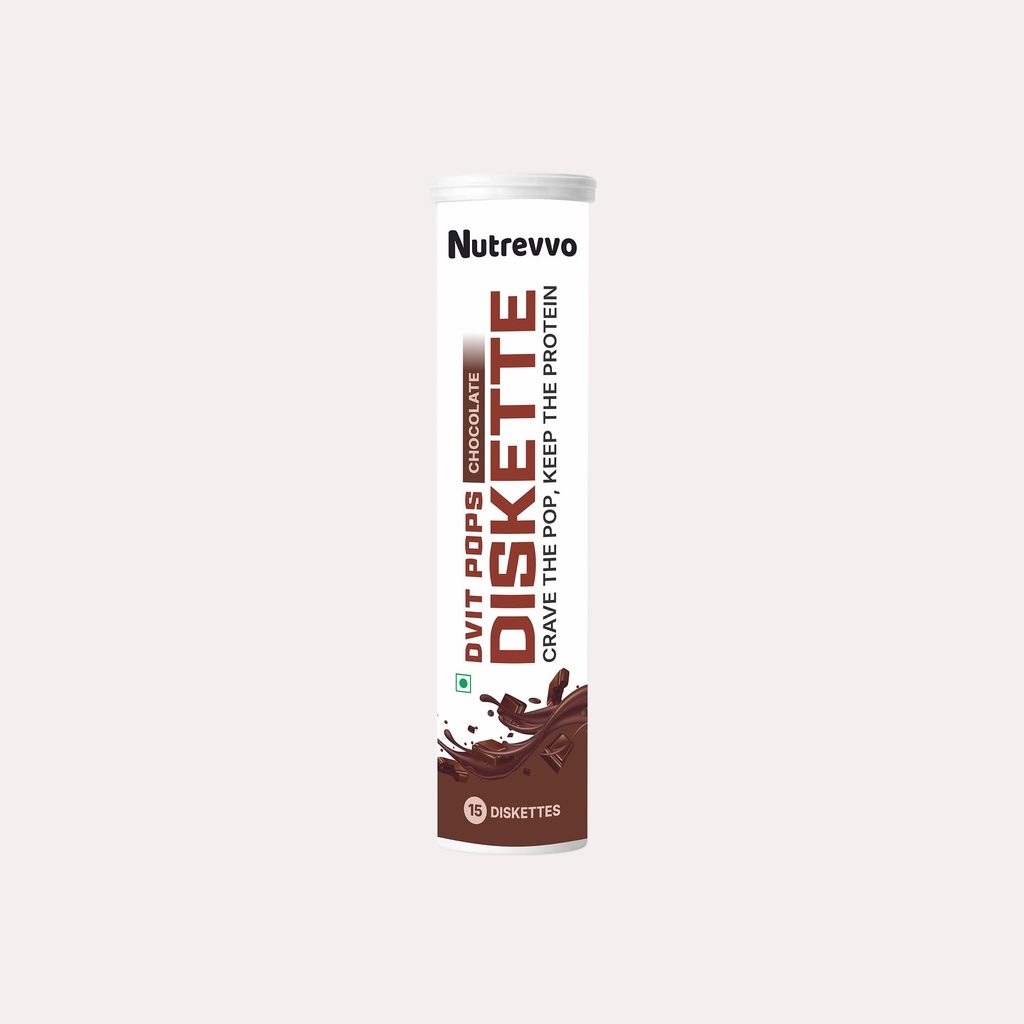
Protein Diskettes: A Convenient Format for Nutritional Supplements
Consumers are looking for nutritional products that fit easily into everyday routines. For brands, that creates opportunities to explore formats that offer convenience while meeting appropriate product, quality, and regulatory requirements.
Protein products are commonly available as powders, shakes, and bars. Protein diskettes offer another format: a compact, biscuit-like product designed to be handled and consumed as a solid. Their value depends on their formulation, serving size, verified nutritional composition, and intended use.
What Are Protein Diskettes?
Protein diskettes are compact, biscuit-like nutritional products developed as an alternative to conventional protein supplement formats. Unlike powders that generally need to be mixed with water or milk, diskettes are a solid product format.
Depending on the product’s directions for use, packaging, and storage instructions, they may be suitable for different settings, such as at home, at work, while travelling, or around exercise sessions. Brands may also explore different product characteristics, flavours, packaging formats, and market positioning.
The nutritional value of a protein diskette depends on its formulation and serving size. Product specifications and any nutrition claims should be supported by appropriate verification.
Why Is Protein Important in Everyday Nutrition?
Protein provides amino acids needed to maintain and repair body tissues. When consumed in sufficient quantities as part of an appropriate diet and exercise routine, it also supports normal muscle maintenance and growth.
Protein needs vary by person and can depend on factors such as age, body weight, activity level, health, and nutrition goals. A balanced diet that includes suitable sources of protein, carbohydrates, fats, vitamins, and minerals remains important. Supplements may help address specific dietary needs when appropriately selected, but they should not automatically replace a balanced diet.
How Protein Diskettes May Fit into an Active Lifestyle
Work, study, exercise, and travel can make it challenging to maintain consistent eating routines. Depending on the product and its directions for use, a ready-to-consume solid format may offer an alternative to products that require mixing or preparation.
- Convenient format: A solid product does not require the mixing typically needed for protein powders.
- Portability: Suitable packaging may make diskettes easier to carry to work, while travelling, or to fitness activities. Follow the product’s storage instructions.
- Another product choice: Diskettes offer a different format alongside powders, shakes, and bars.
- Flexible use: The product’s formulation, recommended serving size, and directions should guide when and how it is consumed.
- Scope for product development: Brands can assess possible formats, flavours, and packaging concepts in light of manufacturing feasibility and applicable requirements.
Protein Diskettes and Post-Workout Nutrition
Recovery from exercise involves more than a single product. Nutrition, hydration, rest, overall energy intake, exercise intensity, and sleep can all be relevant. Protein supports muscle maintenance and growth when consumed in sufficient quantities as part of an appropriate diet and exercise programme.
Protein diskettes may suit people who prefer a solid product format around their exercise routine. Whether a particular product is suitable for post-workout use depends on its verified nutritional composition and serving recommendations. Performance claims should be supported by appropriate evidence, not inferred from the product format alone.
Who Might Consider Protein Diskettes?
Interest in convenient nutritional products extends beyond gyms and sports. The suitability of any protein diskette depends on its formulation, directions for use, and the individual’s dietary requirements.
Working professionals and students
People with demanding work or study schedules may value products that are easy to carry and require little preparation.
Travellers
A portable product may be useful when access to familiar foods is limited. Check packaging integrity, shelf-life information, and storage instructions.
Health-conscious consumers
Before choosing a product, review its ingredients, nutritional information, serving size, allergens, and intended use. Clear labelling helps consumers make informed decisions.
What Should Brands Consider When Developing Protein Diskettes?
Product development involves more than choosing a format. Brands should consider formulation, manufacturing feasibility, quality, packaging, and the requirements of the intended market.
- Define the product concept and target market. Establish the product’s intended purpose and audience. These decisions help guide formulation, packaging, labelling, and commercial planning.
- Develop the formulation. Consider nutritional objectives, raw material suitability, stability, manufacturing feasibility, and desired product characteristics. Set appropriate specifications for the finished product.
- Assess raw material quality. Evaluate materials against approved specifications, supplier documentation, and applicable quality requirements. Depending on the product, checks may include identity, purity, microbiological quality, and relevant contaminants.
- Plan for process control and consistency. Consider equipment suitability, material handling, processing parameters, and environmental conditions. Documented production controls and in-process checks can help identify deviations.
- Set quality and verification requirements. Select testing based on the formulation, product specifications, risk assessment, and applicable requirements. This may include checks of physical characteristics, microbiological quality, nutritional parameters, packaging integrity, and stability.
- Evaluate packaging and shelf life. Choose packaging suited to the product and its storage and distribution conditions. Establish shelf life using suitable stability data and consider factors such as moisture, temperature, and packaging performance.
- Review labelling and market requirements. Requirements vary by product category and destination market. Labels may need to include product identity, ingredients, nutrition information, allergens, directions, manufacturer details, batch identification, storage conditions, expiry information, and permitted claims.
Product declarations and claims should accurately reflect the finished product and be supported by appropriate evidence. Export-oriented products may require market-specific documentation and label adaptations.
The Role of Third-Party Manufacturing
Third-party manufacturing allows a brand to work with an external manufacturing partner rather than establish its own production facility. Depending on the product and project, a manufacturing partner may provide access to relevant infrastructure, technical input, quality systems, or product development support.
When evaluating a potential partner, businesses can consider:
- Manufacturing capabilities and equipment suitability
- Applicable licences and certifications
- Quality assurance and quality control systems
- Raw material sourcing and supplier qualification
- Product development and process optimization capabilities
- Packaging options and commercial requirements
- Regulatory documentation and label-review support
- Manufacturing capacity, lead times, and batch traceability
The right partner depends on the product, dosage form, intended market, and applicable requirements. Brands should confirm that a manufacturer’s capabilities and documentation fit their specific project.
Divit Nutraceuticals Pvt. Ltd. and Nutraceutical Manufacturing
Divit Nutraceuticals Pvt. Ltd. provides third-party manufacturing and contract manufacturing solutions for nutraceutical and nutritional supplement products. Its manufacturing activities cover multiple dosage forms, including tablets, capsules, softgels, powders, sachets, and syrups, subject to project requirements and facility capabilities.
Project discussions may involve product requirements, formulation options, specifications, manufacturing feasibility, quality considerations, packaging, and documentation. The scope of support is determined for each project. Specific capabilities and requirements should be confirmed with Divit Nutraceuticals Pvt. Ltd. before proceeding.
Why Quality Matters in Nutritional Supplement Manufacturing
Product quality involves more than a product concept or its market positioning. Consistency, accurate labelling, suitable packaging, and reliable documentation all contribute to a product’s overall quality.
A structured approach can help ensure that raw materials, manufacturing processes, packaging components, and finished products are evaluated against defined requirements. Technical assessments and documented quality controls should support manufacturing decisions, while marketing statements should match the final product and its supporting evidence.
The Future of Protein-Based Nutritional Products
Consumer preferences continue to create opportunities to explore new product formats and packaging concepts. Protein diskettes are one possible format alongside powders, shakes, and bars. For brands considering them, product development should bring together consumer needs, formulation, manufacturing feasibility, quality verification, packaging, and applicable requirements.
Conclusion
Protein diskettes offer a compact, solid format within the nutritional supplement category. Their suitability and nutritional value depend on the specific formulation, serving size, verified product information, directions for use, and the needs of the intended consumer.
Divit Nutraceuticals Pvt. Ltd. works with businesses seeking third-party manufacturing and customized nutraceutical product development solutions across suitable dosage forms. Each project is assessed individually in relation to its requirements and manufacturing feasibility.
Planning to launch a nutritional supplement brand? Contact Divit Nutraceuticals Pvt. Ltd. to discuss your product requirements, third-party manufacturing, or private-label opportunities.
Protein Diskettes: A Convenient Nutritional…

11 Golden Rules for Choosing…

Nutraceutical Manufacturing for International Export:…
Private Label vs Contract Manufacturing:…

Raw material testing and verification
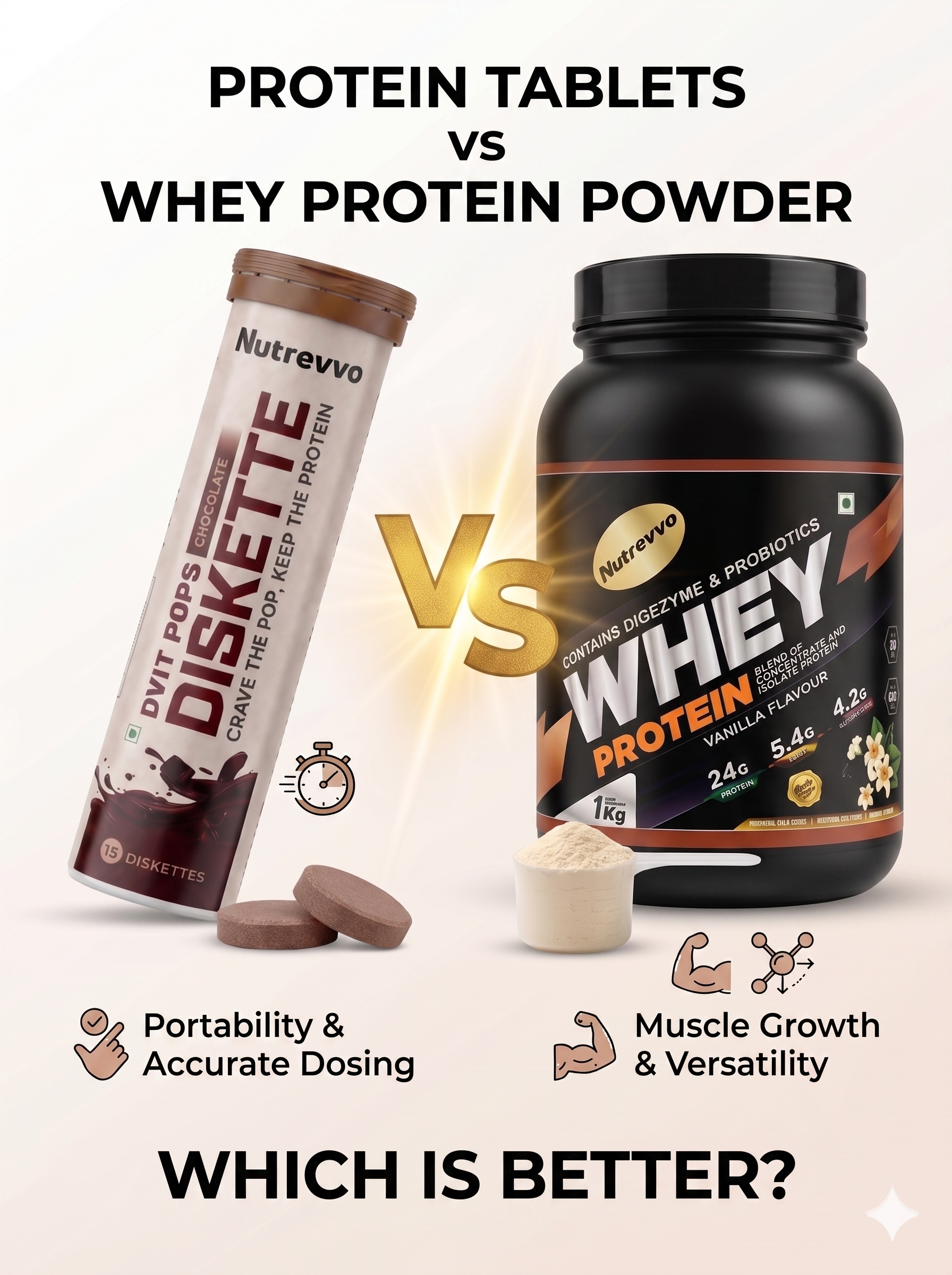
🚀 Protein Tablets vs Whey…
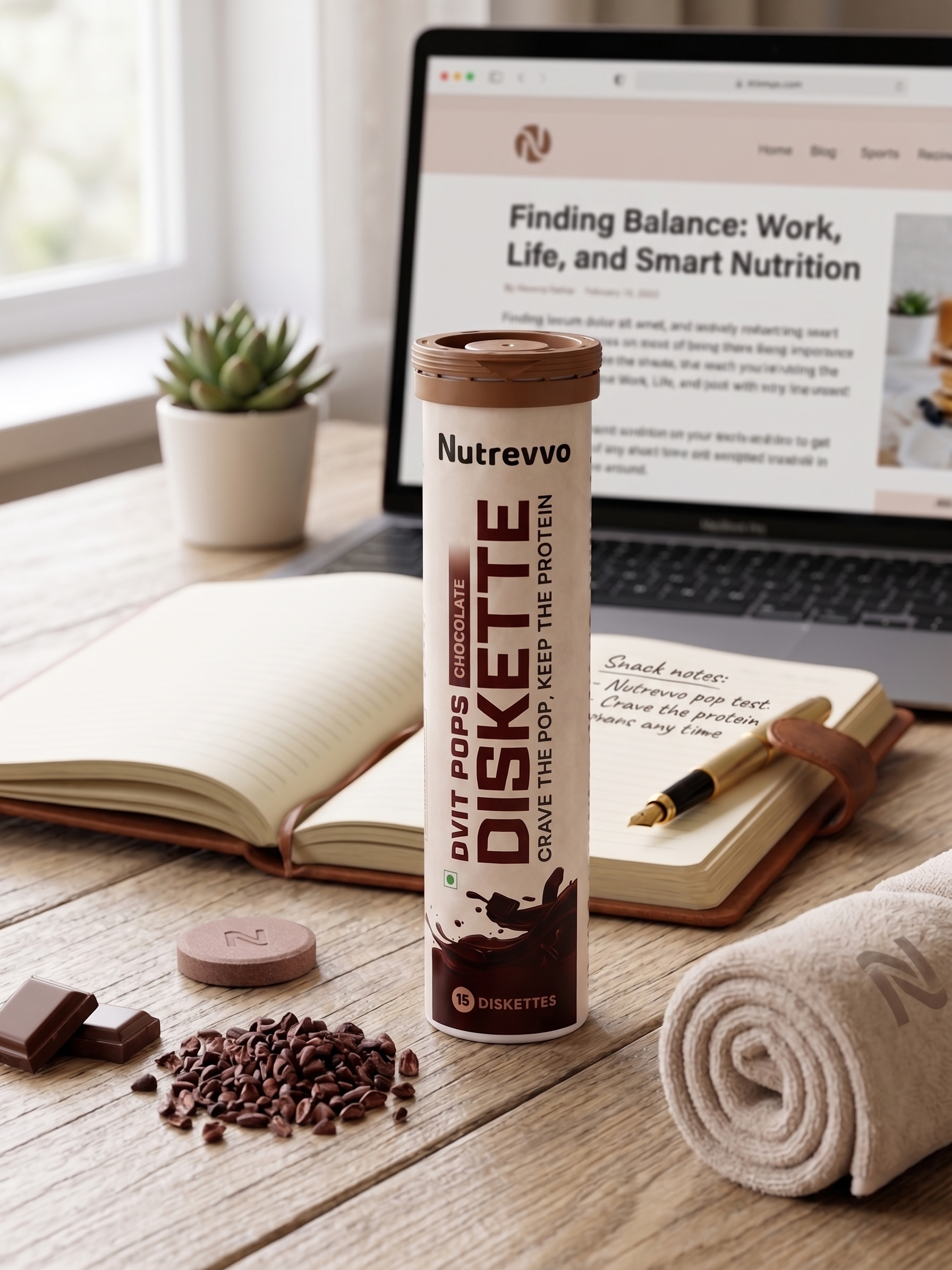
The Future of Protein Supplements:…

Divit Nutraceutical Pvt Ltd: Leading…

Finished batch testing and release…
