The Future of Protein Supplements: Beyond Powders and Shakes
Protein nutrition is moving beyond the shaker bottle. Ready-to-drink beverages, protein bars, high-protein snacks and easy-to-mix sachets offer more ways to fit protein into busy routines.
The key idea: the format may change, but the amount and quality of protein, overall nutrition, safety and suitability still matter most.
Why Are Protein Formats Changing?
Convenience on the go
Single-serve packs and ready-to-drink options can be easier to carry and use when travelling or at work.
Less preparation
Ready-to-consume products remove the need to measure powder or wash a shaker after use.
More choice
Bars, drinks and protein-enriched foods give people alternatives to traditional creamy shakes.
Portable serving sizes
Clearly labelled individual portions can make it easier to check how much protein a serving provides.
Powders are not disappearing: they can remain economical and flexible. New formats mainly add choice and convenience.
Protein Formats to Watch
Ready-to-drink (RTD) protein
Pre-prepared drinks that need no mixing. Check protein per bottle, sugar, allergens, storage instructions and expiry date.
Protein bars and snacks
Portable options for a snack or to complement a meal. Compare protein, calories, added sugar, fibre and serving size.
Single-serve powders and sachets
Lightweight and easy to pack, while keeping the familiar flexibility of powder. Water or another liquid may still be needed.
Protein-enriched foods and new beverages
Products such as fortified drinks, yogurts or other snacks can add variety. Their nutritional value depends on the specific formulation.
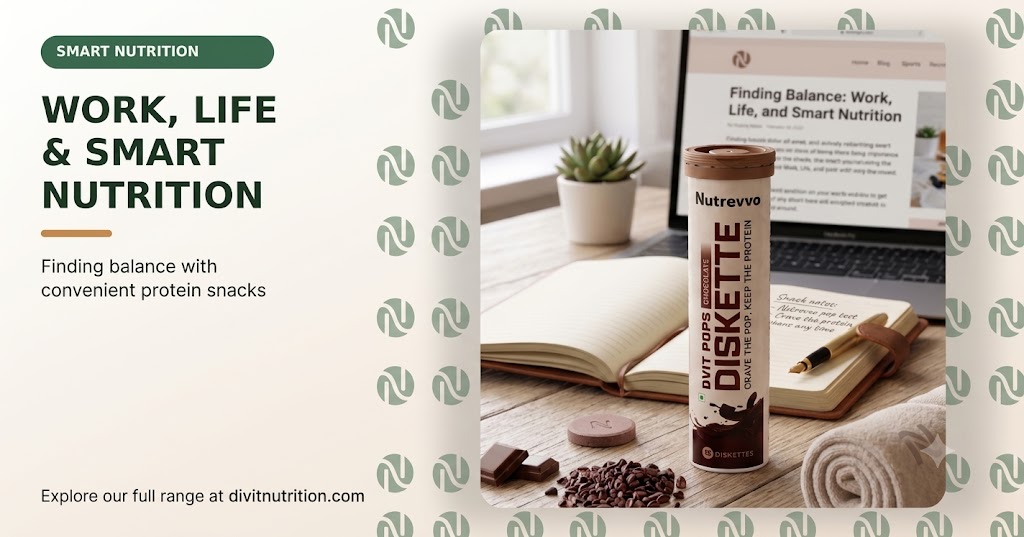
What About Protein Tablets or Diskettes?
Compact formats may sound convenient, but they have a practical limitation: meaningful protein quantities require a substantial amount of ingredient. Tablets or small diskettes should not automatically be assumed to replace a full protein serving.
How to Choose a Protein Supplement
- Check protein per serving: compare products using the nutrition panel.
- Read the full label: review ingredients, allergens, sugar, serving instructions and storage requirements.
- Choose a format you will actually use: powder, bar or drink can each suit different routines and budgets.
- Verify product quality: buy from reliable sources and check applicable licences and quality information.
- Consider your personal needs: food can also provide protein; supplements are not essential for everyone.
People with kidney disease or other medical conditions, those who are pregnant, and anyone using a medically prescribed diet should ask a qualified healthcare professional before changing protein intake.
What Does This Mean for Nutraceutical Brands?
For manufacturers and brands, future opportunities may include convenient serving formats, better taste, clear nutrition information and packaging suited to the intended user. Every concept still needs appropriate formulation, stability and safety evaluation, compliant labelling and evidence for its claims.
Divit Nutraceuticals lists sports and active nutrition among its product categories and offers private-label and contract-manufacturing partnerships. Businesses should contact the company to confirm current capabilities, product availability and project requirements.
Frequently Asked Questions
1. Are protein powders becoming outdated?
No. Powders remain useful and can be cost-effective. Ready-to-drink products, bars and snacks simply provide additional choices.
2. Which is better: protein powder, a bar or a drink?
There is no single best format for everyone. Compare protein per serving, overall nutrition, price, ingredients and convenience.
3. Do protein tablets provide the same amount as a shake?
Not necessarily. Check grams of protein per serving; a small tablet format may provide far less protein than a typical drink serving.
4. Do I need a protein supplement?
Not always. Many people can meet their needs through food. Whether a supplement is useful depends on diet, goals and individual circumstances.
5. What should I check before buying?
Check protein content, ingredients, allergens, sugar, directions, expiry date, seller reliability and applicable quality information.